Basin Electric helps reduce flaring in the Bakken region
07 January 2026
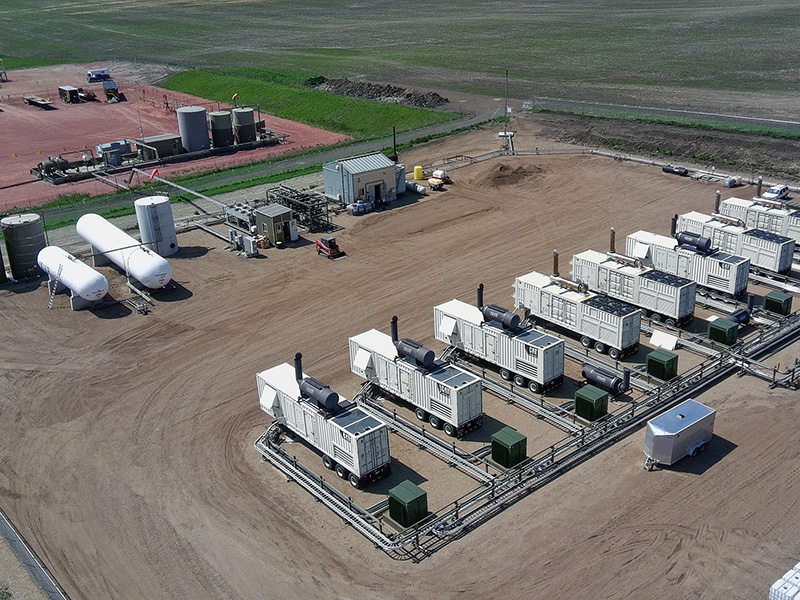
Basin Electric has approved a five-year program that will help reduce flaring in the Bakken region. The cooperative will purchase behind-the-meter generation in roughly 10 megawatt (MW) sizes from entities looking to sell power generated from flare gas in Western North Dakota.
Basin Electric has committed to purchase power until May 31, 2030. At that point, the cooperative will reassess the potential of renewing. Basin Electric’s new power plant, Bison Generation Station in Williams County, North Dakota, is expected to be completed by then, helping meet generation needs.
“This is a good solution to bridge Basin in meeting the load requirements in the area until Basin’s other generation build-out can be accommodated,” Jason Doerr, Basin Electric senior planning analyst, said.
“They’ve been leading the conversations with the developers, working to get interconnection agreements in place, and getting necessary permits,” Doerr said. “Then they’ll provide us notice when the sites go commercial, and we can integrate them into our operations.”
Basin Electric has agreed to purchase the 10-megawatt generation until May 31, 2030.
So far, one location is commercially operational with two more generators expected to come online in December 2025.
With a five-year agreement in place, Doerr said the developers are motivated to quickly get the generators commercially operational.
“The developers have to meet a certain level of generation capability, and we’ll begin purchasing power once they are deemed to be commercial. At that point, the plan is for them to run around the clock,” Doerr said.
The sites are designed to be mobile and can utilize small generator interconnection processes.
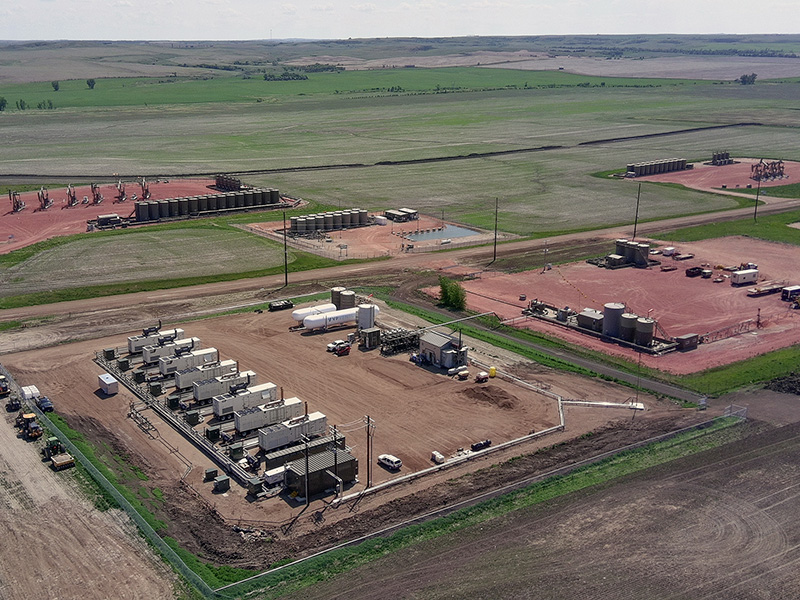
Most of the sites are close to natural gas collection locations, like gas processing plants, because the gas that is collected needs to first be processed to be used in the generators.
“With the processing plants, they are basically like a refinery,” Doerr explained. “They separate the natural gas and capture the other products to market them.”
Doerr said this program is beneficial for everyone involved.
“Being able to utilize gas from the Bakken is a great benefit to Basin and our members,” he said. “We get the benefit of the accessible generation from the region to support load growth in an area that often experiences congestion.”
A birds-eye view of one of the 10 MW gas collection sites and generators.
Basin Electric wants all interested and qualified candidates to apply for employment opportunities. If you are an applicant with a disability who is unable to use our online tools to search and apply for jobs, or who needs other assistance or accommodations, please contact us at 701-223-0441. Please indicate the specifics of the assistance needed or provide your contact information, and a Basin Electric Human Resources representative will contact you. Basin Electric is an Equal Employment Opportunity Employer regarding race, color, religion, sex, sexual orientation, gender identity, national origin, disability, and veterans status.